Just How to Evaluate Dishes, Nutrition, and Dining in Memory Care
Business Name: BeeHive Assisted Living Homes of Rio Rancho NM #1 - Dementia Care & Memory Care
Address: 204 Silent Spring Rd NE, Rio Rancho, NM 87124
Phone: (505) 221-6400
BeeHive Assisted Living Homes of Rio Rancho NM #1 - Dementia Care & Memory Care
BeeHive Assisted Living Homes of Rio Rancho NM #1 - Dementia Care & Memory Care is a premier Rio Rancho Assisted Living facilities and the perfect transition from an independent living facility or environment. Our Alzheimer care in Rio Rancho, NM is designed to be smaller to create a more intimate atmosphere and to provide a family feel while our residents experience exceptional quality care. We promote memory care assisted living with caregivers who are here to help. Memory care assisted living is one of the most specialized types of senior living facilities you'll find. Dementia care assisted living in Rio Rancho NM offers catered memory care services, attention and medication management, often in a secure dementia assisted living in Rio Rancho or nursing home setting.
204 Silent Spring Rd NE, Rio Rancho, NM 87124
Business Hours
Food carries even more weight in memory care than it carries out in a lot of various other settings. An excellent dish is not just calories on a tray. It is a hint, a convenience, a regular, a chance to get up appetite, and sometimes one of the few components of the day that still really feels familiar. I have actually seen homeowners that hardly talked all early morning come to be animated when they scent soup simmering or acknowledge the sight of a favorite treat. I have also seen family members focus on the style, the cost, and the glossy sales brochure, while missing the truth that their loved one was consuming half a banana for supper and dropping weight week by week.
That is why meals are entitled to cautious focus when you are comparing memory care choices. If you are looking for memory care near me, or weighing senior living near me against staying at home with elder care or respite care support, the eating program ought to belong to the choice from the beginning. Great nutrition in memory care impacts power, mood, hydration, sleep, autumn risk, and also how well an individual takes part in activities. It can form the whole day.
The difficulty is that mealtime top quality is not constantly apparent during a brief tour. Dining-room can look lovely also when the cooking area routine is weak. Food can be visually attractive however improperly matched to citizens' demands. The very best method to evaluate dishes in memory care assisted living rio rancho nm is to look past the food selection board and ask useful, specific inquiries concerning just how food is chosen, served, and adjusted over time.
Why dishes are a larger handle memory care
Memory loss changes the dining experience in methods lots of family members do not expect. A person dealing with dementia might forget they currently consumed, fail to remember exactly how to make use of tools, lose interest as soon as way too many options are presented, or become distressed by noise and crowding. Some locals need motivating to begin. Others do far better with finger foods because they can no longer handle flatware conveniently. Taste and odor can also alter, which means a preferred meal from years ago might no longer appeal unless it is prepared differently.
There is likewise a functional side that gets forgotten. A resident who wanders might shed much more calories. One more might sit for lengthy stretches and beverage very little, coming to be dehydrated before anybody notices. Some medicines affect appetite, and some medical conditions make chewing or swallowing tougher. A strong memory care program knows exactly how to identify these issues early and react with appearance changes, snacks, supplements when suitable, and communication with registered nurses or physicians.
Families often presume that if a community serves three meals a day, nutrition is covered. It is not that basic. The timing, the amount of assistance, the atmosphere, and the responsiveness of team matter just as long as the food itself. A resident that is hurried, confused, or embarrassed in the dining room may eat much less than a person offered the very same plate in a calmer, extra supportive setting.
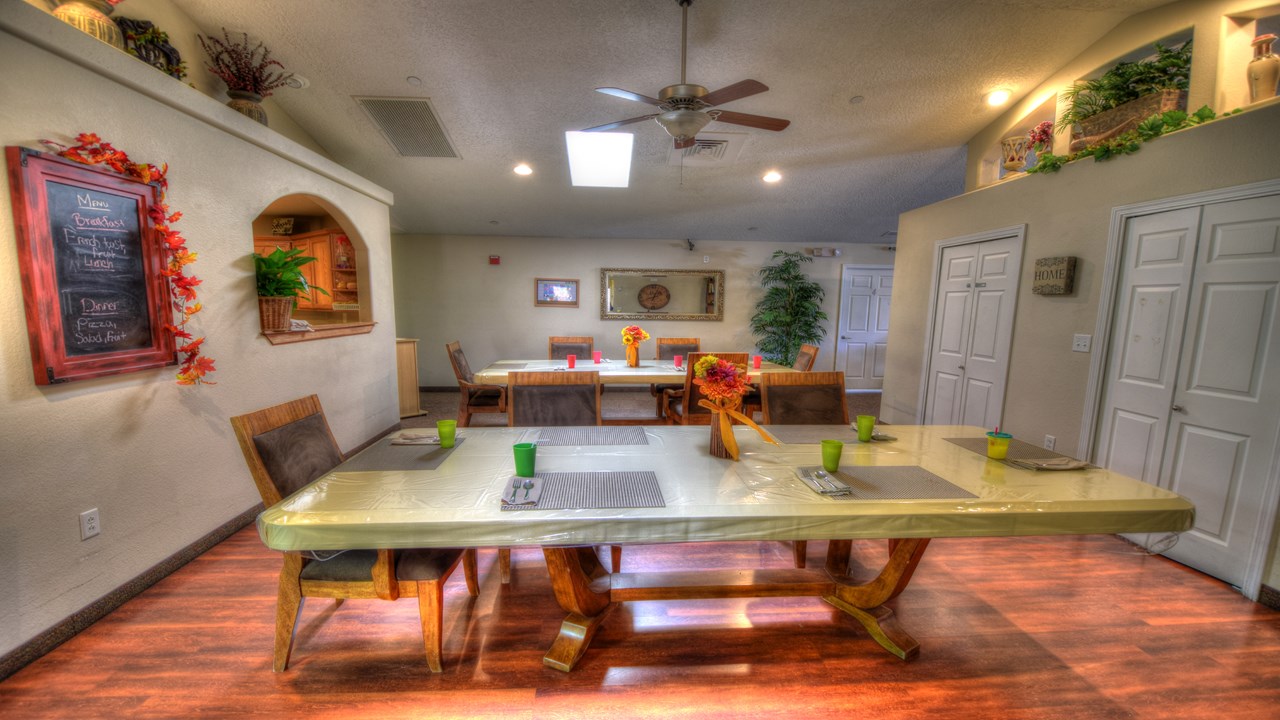
Start with the basics, then look deeper
The very first thing I inform households is to ask how dishes are prepared, not simply what is on the food selection this week. A monthly menu can look healthy and balanced theoretically and still miss the mark if it is not built around resident choices and changing needs. Excellent senior care areas typically have a rhythm to their menus, stabilizing familiar home cooking with lighter choices, seasonal fruit and vegetables, and dishes that are easy to chew and recognize.
Ask that creates the menus. Does a dietitian evaluation them? Exists somebody who checks healthy protein, fiber, hydration, and salt levels for older grownups? Are resident favorites operated in regularly? In stronger memory care setups, the food program has enough versatility to adjust when people stop eating a dish or when a season changes and particular fruits or vegetables become extra appealing.
Then consider just how food is offered. Are meals layered in the cooking area and highlighted promptly, or do they rest under heat lamps till the last resident is seated? Are sections sensible, or so large that they bewilder a person with poor cravings? Exist selections without producing a lot of alternatives? A resident with dementia frequently does far better when the choice is basic, such as soup or sandwich, rather than a web page of options that leads to anxiety or silence.
The best programs take notice of more than preference. They track what individuals really consume. If the kitchen knows that Mrs. L consumes oat meal every morning but pushes away eggs, that information should shape the strategy. If Mr. J only completes dinner when he is used a small sweet item later, that pattern issues as well. This is where memory care stands apart from a common senior living dining setup.
What to observe throughout a meal visit
A tour of memory care should consist of, if possible, a visit during breakfast, lunch, or supper. You discover a lot more in fifteen minutes of active nourishment than in an hour of polished sales conversation. The room itself narrates. Is it tranquil sufficient for people to concentrate? Is the lights pleasurable? Can homeowners find their seats? Do personnel recognize that requires help before irritation sets in?
You do not require to question every person in the room, but you need to view closely. Look at exactly how team approach citizens that are sidetracked or confused. Do they speak slowly, make eye get in touch with, and provide one action at once? When a resident refuses food, do they simply proceed, or do they try a different structure, temperature, or presentation? A trained group in memory care near me must not look hurried or aggravated when someone eats gradually. Sluggishness belongs to the job.
A dish can additionally expose whether the setting sustains dignity. Some residents succeed with a family-style setting. Others end up being nervous if plates are positioned too close with each other or if way too much activity is happening simultaneously. Good elder care groups know when to lower stimulation. They may play soft songs, seat particular citizens with each other, or bring someone to a quieter edge if the dining-room comes to be overwhelming.
Here is a brief checklist that helps during a visit:
- Watch whether residents appear loosened up or rushed.
- Notice whether team offer real support, not simply encouragement from across the room.
- Look at portion size and food texture on the plate.
- Ask whether residents can ask for 2nd helpings or substitutions.
- Pay focus to hydration, such as water, coffee, tea, milk, or various other fluids being actively offered.
That last factor matters more than numerous family members realize. Dehydration in older grownups can appear as tiredness, confusion, bowel irregularity, or an unexpected adjustment in habits. A solid memory care eating program treats beverages as part of the dish, not an afterthought.
Nutrition requires to be individualized
No two citizens eat the same way, and memory care must mirror that. Someone might require soft foods due to dental concerns. One more may require higher-calorie snacks since they slim down conveniently. Someone else may be managing diabetic issues, heart disease, or ingesting troubles. A solitary "healthy and balanced menu" is not enough.
The ideal areas develop nutrition plans around the individual. They track weight, appetite, swallowing issues, food suches as and dislikes, and adjustments in behavior around meals. They interact with households when something shifts. If your loved one has actually constantly liked fruit today averts from it, that could be a clue that texture, temperature level, and even aesthetic presentation needs to alter. If they when took pleasure in coffee today refuse it, that may be associated with medication, anxiousness, or merely taste changes.
Texture alteration is just one of the clearest indications of a thoughtful eating program. Some locals need sliced food, some need minced food, and some need soft or pureed choices. That should not imply an undesirable or humiliating tray. Great kitchens can make customized diet plans look appetizing and really feel sensible. I have actually seen pureed dishes shaped and plated so thoroughly that they appeared like an appropriate meal, not medical facility food. That focus issues since individuals consume even more when food looks recognizable.
Weight loss is worthy of a direct conversation. Ask just how the neighborhood reacts if a resident begins eating much less. Do they provide treats in between dishes? Do they make protein-rich choices readily available? Do they include nursing or therapy if eating, swallowing, or placing adjustments might be part of the trouble? Family members ought to not have to find a five-pound or ten-pound drop by accident.
Taste, memory, and the power of familiarity
Food memories can still reach individuals that struggle to bear in mind names or days. An acquainted scent can unlock acknowledgment enough time for a resident to smile, sit down, and begin eating. That is one of the quiet staminas of memory care done well. The menu does not need to be expensive. It has to feel knowable.
Simple, familiar meals commonly work far better than fancy recipes. Comfort foods can be especially helpful when the resident fears, weary, or getting used to a new home. That does not indicate every dish should be bland or recurring. It indicates the cooking area must value the value of knowledge. A well-prepared covered dish, a dish of oatmeal with fruit, a barbequed cheese with soup, baked hen, meatloaf, or scrambled eggs can do more for cravings than a trendier meal that looks gorgeous however perplexes the person eating it.
At the same time, way too much repetition can backfire. Homeowners may become bored, particularly if their appetite is already breakable. That is why an excellent eating program needs equilibrium. Comfort and variety can cohabit when the kitchen pays attention. Seasonal fruit and vegetables, an altering soup rotation, and a couple of resident favorites on stable repeat can create a better eating pattern than a menu developed around novelty.
Families should ask what takes place on days when a resident declines the major entrée. Is there an alternating dish ready, or does the person just obtain what everyone else obtains? In solid senior living neighborhoods, there is usually a back-up plan that appreciates choice without turning the kitchen area right into a short-order dining establishment. That equilibrium takes skill.
Dining area culture matters as much as the menu
I have actually seen attractive meals go unblemished because the space felt tense. I have actually additionally seen modest food eaten gladly since the atmosphere was warm and unhurried. The dining-room belongs to the therapy atmosphere, particularly in memory care. Noise, crowding, strong smells, and complicated seating can all decrease intake.
Staff culture shows up below in very real methods. If the group rests with citizens and versions relax, the space commonly works out. If they are standing in corners talking with each other while individuals battle to open containers or situate utensils, that is an indication. Locals with dementia commonly require refined signs. Seeing another individual take a bite can assist. Being resolved by name can help. Having a regular seating plan can assist even more.
There is likewise the inquiry of self-respect. Does team talk over homeowners, or to them? Are paper napkins provided? Are spills took care of quietly? Is assistance offered inconspicuously? These information might seem small, however they develop trust. A resident that feels hurried or shamed is much less likely to eat enough.
Mealtime can also disclose whether a community recognizes the social side of food. Some residents are most likely to eat when they sit with a familiar peer. Others need a quieter table since team chatter sidetracks them. The best communities do not require one design on everyone. They pay attention and adjust.
Questions worth asking prior to you pick a community
When you are comparing memory care alternatives, a couple of direct questions can conserve you from an inadequate fit later. Ask just how meals are monitored, how unique diets are taken care of, and what happens when a resident stops eating well. Ask whether a dietitian or nurse evaluates worries regarding weight, hydration, or swallowing. Ask just how usually the food selection adjustments. Ask whether snacks are offered in between dishes and in the evening.
You can likewise ask about family members involvement. Can you share your loved one's preferred foods, cultural choices, or enduring habits? An excellent community invites that information. It assists the team recognize what may boost cravings, lower frustration, or make the transition simpler. If your mother has always wanted tea at 4 o'clock or your father only eats breakfast if there is fruit and toast, those details serve, not trivial.
A few questions can tell you a lot regarding the program's day-to-day reliability:
- How do you track weight changes and inadequate appetite?
- What assistance is readily available for residents who require assistance eating?
- How do you deal with ingesting issues or appearance changes?
- What if a resident disapproval the dish served that day?
- How do you keep locals hydrated in between meals?
The answers ought to sound details, not rehearsed. You wish to listen to instances. You wish to listen to names of team roles, routine regimens, and practical follow-through. Obscure reassurance is less useful than a clear explanation of what occurs when points go wrong.
Red flags family members should not ignore
Not every meal issue is a dealbreaker, however some indicators are entitled to interest. If homeowners are regularly sleepy or disengaged throughout meals, something might be off with timing, medications, or staffing. If the food is always warm, boring, or aesthetically unappealing, appetite typically drops over time. If you notice residents waiting a long period of time for aid with reducing food or opening containers, the staffing pattern may not be strong enough for the population they serve.
A neighborhood that sweep aside concerns regarding weight management or dehydration must prompt caution. So should one that deals with special diets as a burden instead of a basic responsibility. If staff can not describe just how they sustain residents who consume gradually, that wander away mid-meal, or that need encouragement without stress, that is a space you need to take seriously.
It is likewise worth trusting your impulses concerning the dining room itself. Some areas really feel composed and humane. Others feel hectic in a manner that makes meals resemble a job. That sensation can be hard to evaluate, yet family members notice it rapidly. In elder care, atmosphere typically tells the truth prior to the brochure does.
When respite care can assist family members judge the fit
Respite care can be a valuable means to check a setting before making a long-lasting decision. If your loved one stays for a short duration, you can observe appetite, routine, and action to the eating setting without the stress of a permanent action. That short-lived experience usually reveals things a tour cannot.
Did your loved one consume better or worse than in your home? Did they require a lot more triggering than anticipated? Were they offered foods they actually liked, or did they seem to wander with dishes without involvement? Households occasionally discover that the issue was not just cooking, however the mix of noise, timing, and strange faces. Various other times they find that the resident developed with even more framework and social hints than they had at home.
That type of real-world observation is one factor respite care can be so important. It gives you a clearer picture of exactly how an area deals with real life, not just the tour variation. If the short keep works out, you may feel extra confident moving toward memory care or a broader senior care plan. If it goes improperly, you have actually discovered something essential prior to committing.
An eating program need to make life much easier, not harder
The best memory care dining programs lower friction. They eliminate needless selections, make food very easy to acknowledge, maintain nourishments tranquil, and respond swiftly when appetite adjustments. They deal with consuming as part of care, not a side solution. That is what families should be looking for when they contrast areas or look for senior living near me.
You do not require perfect food. You require food that is nourishing, appealing, and adapted to the facts of memory loss. You require team that see patterns, not just trays. You need a kitchen that understands older grownups can be fussy, delicate, slow-moving, and inconsistent, and that none of those points are an ethical failing. They are just part of the territory.
When dishes are managed well, they do greater than fill the tummy. They steady the day. They develop moments of recognition. They bring people to the table. And in memory care, that can make all the difference.
BeeHive Assisted Living Homes of Rio Rancho NM #1 - Dementia Care & Memory Care provides assisted living care
BeeHive Assisted Living Homes of Rio Rancho NM #1 - Dementia Care & Memory Care provides memory care services
BeeHive Assisted Living Homes of Rio Rancho NM #1 - Dementia Care & Memory Care provides respite care services
BeeHive Assisted Living Homes of Rio Rancho NM #1 - Dementia Care & Memory Care supports assistance with bathing and grooming
BeeHive Assisted Living Homes of Rio Rancho NM #1 - Dementia Care & Memory Care offers private bedrooms with private bathrooms
BeeHive Assisted Living Homes of Rio Rancho NM #1 - Dementia Care & Memory Care provides medication monitoring and documentation
BeeHive Assisted Living Homes of Rio Rancho NM #1 - Dementia Care & Memory Care serves dietitian-approved meals
BeeHive Assisted Living Homes of Rio Rancho NM #1 - Dementia Care & Memory Care provides housekeeping services
BeeHive Assisted Living Homes of Rio Rancho NM #1 - Dementia Care & Memory Care provides laundry services
BeeHive Assisted Living Homes of Rio Rancho NM #1 - Dementia Care & Memory Care offers community dining and social engagement activities
BeeHive Assisted Living Homes of Rio Rancho NM #1 - Dementia Care & Memory Care features life enrichment activities
BeeHive Assisted Living Homes of Rio Rancho NM #1 - Dementia Care & Memory Care supports personal care assistance during meals and daily routines
BeeHive Assisted Living Homes of Rio Rancho NM #1 - Dementia Care & Memory Care promotes frequent physical and mental exercise opportunities
BeeHive Assisted Living Homes of Rio Rancho NM #1 - Dementia Care & Memory Care provides a home-like residential environment
BeeHive Assisted Living Homes of Rio Rancho NM #1 - Dementia Care & Memory Care creates customized care plans as residents’ needs change
BeeHive Assisted Living Homes of Rio Rancho NM #1 - Dementia Care & Memory Care assesses individual resident care needs
BeeHive Assisted Living Homes of Rio Rancho NM #1 - Dementia Care & Memory Care accepts private pay and long-term care insurance
BeeHive Assisted Living Homes of Rio Rancho NM #1 - Dementia Care & Memory Care assists qualified veterans with Aid and Attendance benefits
BeeHive Assisted Living Homes of Rio Rancho NM #1 - Dementia Care & Memory Care encourages meaningful resident-to-staff relationships
BeeHive Assisted Living Homes of Rio Rancho NM #1 - Dementia Care & Memory Care delivers compassionate, attentive senior care focused on dignity and comfort
BeeHive Assisted Living Homes of Rio Rancho NM #1 - Dementia Care & Memory Care has a phone number of (505) 221-6400
BeeHive Assisted Living Homes of Rio Rancho NM #1 - Dementia Care & Memory Care has an address of 204 Silent Spring Rd NE, Rio Rancho, NM 87124
BeeHive Assisted Living Homes of Rio Rancho NM #1 - Dementia Care & Memory Care has a website https://beehivehomes.com/locations/rio-rancho/
BeeHive Assisted Living Homes of Rio Rancho NM #1 - Dementia Care & Memory Care has Google Maps listing https://maps.app.goo.gl/FhSFajkWCGmtFcR77
BeeHive Assisted Living Homes of Rio Rancho NM #1 - Dementia Care & Memory Care has Facebook page https://www.facebook.com/BeeHiveHomesRioRancho
BeeHive Assisted Living Homes of Rio Rancho NM #1 - Dementia Care & Memory Care has a YouTube Channel at https://www.youtube.com/@WelcomeHomeBeeHiveHomes
BeeHive Assisted Living Homes of Rio Rancho NM #1 - Dementia Care & Memory Care won Top Memory Care Homes 2025
BeeHive Assisted Living Homes of Rio Rancho NM #1 - Dementia Care & Memory Care earned Best Customer Service Award 2024
BeeHive Assisted Living Homes of Rio Rancho NM #1 - Dementia Care & Memory Care placed 1st for Assisted Living Communities 2025
People Also Ask about BeeHive Assisted Living Homes of Rio Rancho NM #1 - Dementia Care & Memory Care
What is BeeHive Homes of Rio Rancho Living monthly room rate?
The rate depends on the level of care that is needed (see Pricing Guide above). We do a pre-admission evaluation for each resident to determine the level of care needed. The monthly rate is based on this evaluation. There are no hidden costs or fees
Can residents stay in BeeHive Homes of Rio Rancho until the end of their life?
Usually yes. There are exceptions, such as when there are safety issues with the resident, or they need 24 hour skilled nursing services
Does BeeHive Homes of Rio Rancho have a nurse on staff?
No, but each BeeHive Home has a consulting Nurse available 24 – 7. if nursing services are needed, a doctor can order home health to come into the home
What are BeeHive Homes of Rio Rancho visiting hours?
Visiting hours are adjusted to accommodate the families and the resident’s needs… just not too early or too late
Do we have couple’s rooms available?
Yes, each home has rooms designed to accommodate couples. Please ask about the availability of these rooms
Where is BeeHive Homes of Rio Rancho located?
BeeHive Homes of Rio Rancho is conveniently located at 204 Silent Spring Rd NE, Rio Rancho, NM 87124. You can easily find directions on Google Maps or call at (505) 221-6400 Monday through Friday 9:00am to 5:00pm
How can I contact BeeHive Homes of Rio Rancho?
You can contact BeeHive Assisted Living Homes of Rio Rancho NM #1 - Dementia Care & Memory Care by phone at: (505) 221-6400, visit their website at https://beehivehomes.com/locations/rio-rancho, or connect on social media via Facebook or YouTube
Take a short drive to Joe's Pasta House - Rio Rancho . Joe’s Pasta House offers comfort food in a welcoming setting that supports assisted living, memory care, senior care, elderly care, and respite care dining visits.